
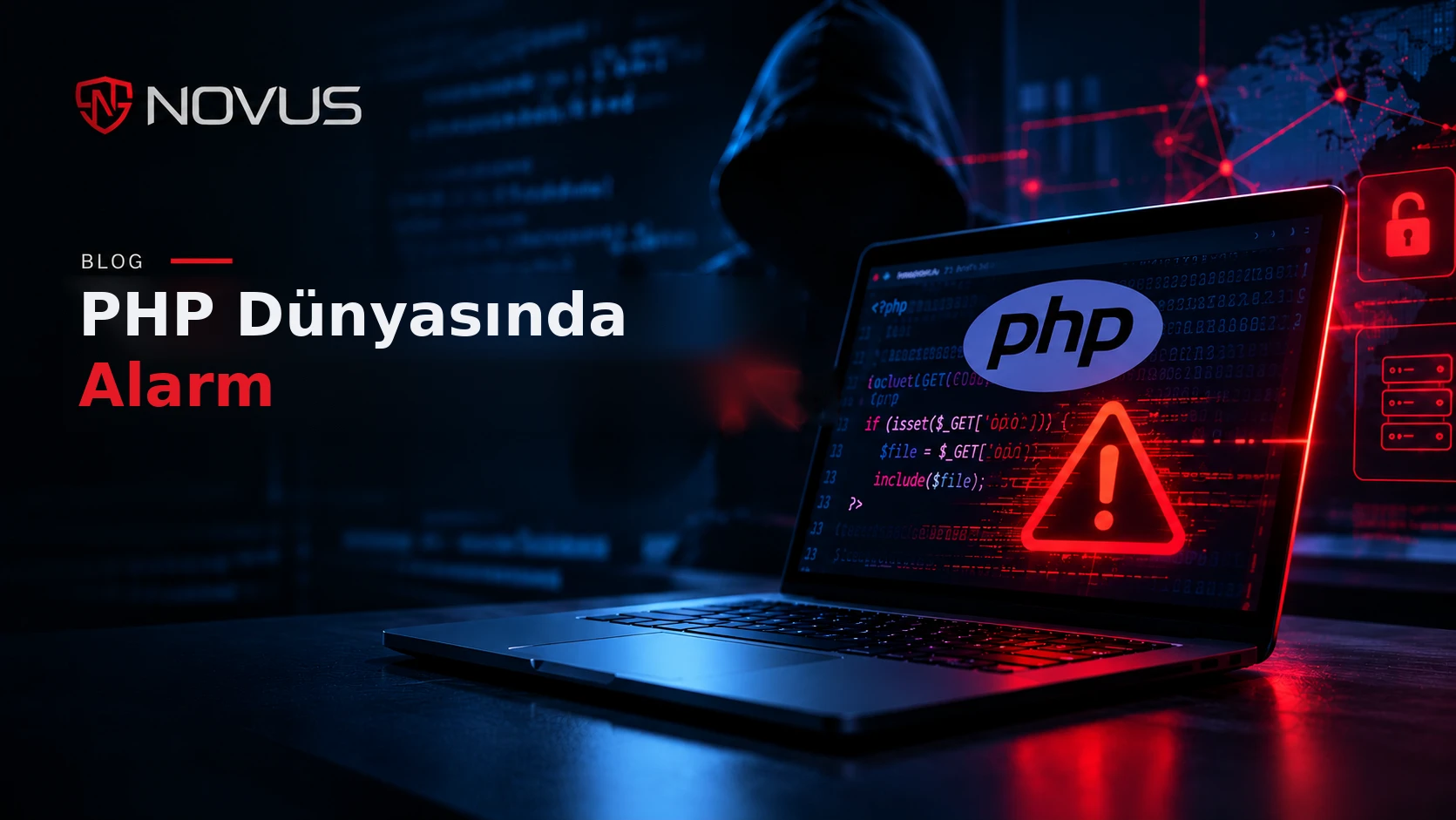
PHP Ecosystem Shaken by Critical Security Vulnerabilities
The PHP ecosystem has been shaken by one of the most critical security developments in recent years. On October 21, 2026, an emergency security advisory issued by the PHP development team and the PHP Foundation publicly disclosed two critical vulnerabilities in the core interpreter, potentially enabling Remote Code Execution (RCE). With CVSS scores reportedly reaching 9.2, these vulnerabilities pose a serious threat to internet-facing PHP servers.
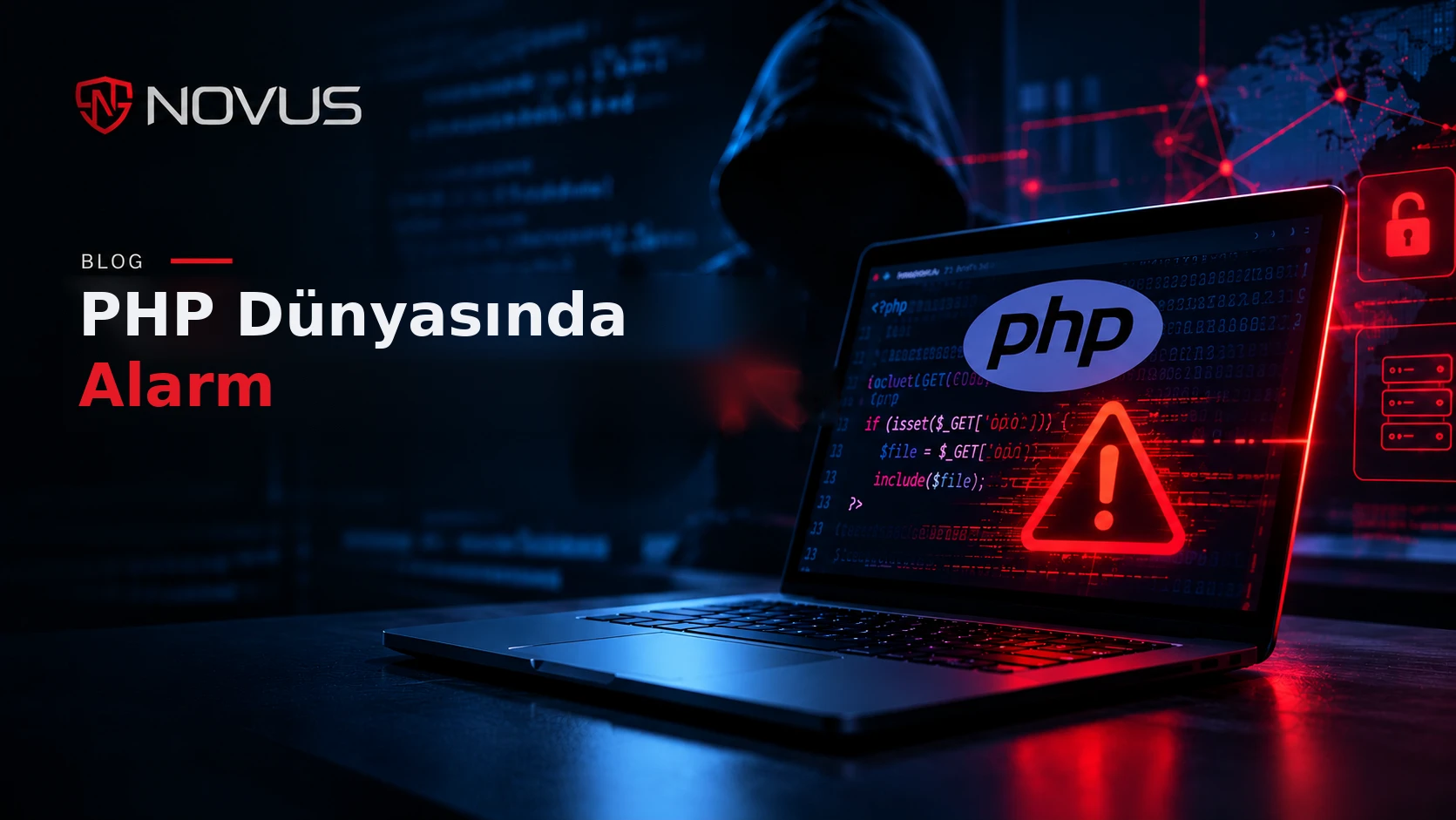
What Do These Vulnerabilities Mean?
According to the published security advisories, the two vulnerabilities, listed under separate CVE identifiers, primarily stem from weaknesses in PHP's memory management mechanisms.
**CVE-2026-109618 (OOM Memory Corruption):** PHP uses the `longjmp()` mechanism to terminate requests that exceed the configured `memory_limit`. However, when a memory exhaustion error is triggered while request data is still being processed—for example, during form-based file uploads—this mechanism can cause synchronization issues in memory management. During cleanup, the system may incorrectly treat invalid data as valid and attempt to free a memory region that was never properly initialized. This could create an opportunity for an attacker to execute code by exploiting memory regions they can influence in advance.
**CVE-2026-109619:** When processing incoming requests, PHP processes retain certain internal state information in memory. Following a critical error (`fatal error`) or an exception, some of this internal state may not be properly reset, even after the underlying memory has been released. A subsequent legitimate request handled by the same worker may then encounter this stale state before it has been properly cleared, potentially opening the door to an unauthenticated Remote Code Execution (RCE) scenario.
Why Are These Vulnerabilities So Dangerous?
**No Authentication Required:** Attackers do not need a user account or any special privileges to target vulnerable systems.
**Can Be Triggered Before Application Code Executes:** Requests may be intercepted and exploited directly at the PHP server layer before reaching application logic written by developers, including WordPress, Laravel, or custom PHP applications.
**Affect Widely Used Infrastructure:** Nearly all PHP architectures that handle web requests—including PHP-FPM, Apache (`mod_php`), `php-cgi`, FrankenPHP, and LiteSpeed—may be at risk. The `mod_php` configuration has reportedly been identified as one of the highest-risk configurations within the PHP ecosystem.
Update Your PHP Version Immediately
Although temporary Web Application Firewall (WAF) rules and configuration changes can provide a degree of protection, applying the appropriate security updates is the definitive remediation measure.
Immediately upgrade your server's PHP packages to the patched versions listed below, or to the latest packages provided by your operating system or hosting control panel:
- PHP 8.5.12
- PHP 8.4.27
- PHP 8.3.36
- PHP 8.2.35
Always verify the appropriate patched version against the official PHP security advisories before proceeding with the upgrade.
Strengthen WAF and Server Security Layers
- Ensure that your WAF rules are up to date until the necessary security patches have been applied. Major security providers and LiteSpeed, for example, have released rules designed to block malicious scanning requests.
- Tighten server-side memory limits and file upload restrictions, including `post_max_size` and `memory_limit`, to the strictest levels compatible with your application's operational requirements.
NovusBT Recommendations and Action Plan
To maintain data security and service continuity across enterprise server infrastructures, the following actions are critical:
- **1. Server-Level Updates**
Keeping your web applications up to date is not sufficient to address this vulnerability. PHP packages installed on the underlying server operating system must be upgraded to the appropriate patched versions without delay.
**2. Migration from End-of-Life (EOL) Versions**
Infrastructure running PHP 8.1 and earlier versions should be prioritized for migration to currently supported PHP releases or placed under Extended Lifecycle Support (ELS), where available, as these versions no longer receive standard security support.
**3. Security Layer and WAF Configuration**
Until the update process is complete, updating Web Application Firewall (WAF) rules and restricting abnormal POST requests and file upload sizes can provide an additional layer of defense.
As the NovusBT infrastructure and cybersecurity team, we are ready to support your organization in assessing its systems and safely completing vulnerability remediation and patch management processes.
**Proactive security measures today help protect your infrastructure against tomorrow's threats.**